Price: $69.99 - $55.98
(as of May 04, 2026 22:03:12 UTC – Details)
FARLAND Sleeping Bag for Adults: A Deep Dive into Cold Weather Comfort and Warmth
For outdoor enthusiasts, a reliable sleeping bag is more than just an accessory; it’s a critical piece of gear that dictates comfort, safety, and ultimately, the quality of a wilderness experience. The FARLAND Sleeping Bag for Adults, marketed for both cold and warm weather conditions, positions itself as a versatile solution for a wide range of camping adventures. As a seasoned expert in outdoor equipment, I’ve put this particular sleeping bag through its paces to deliver an authoritative and in-depth analysis of its performance, design, and overall value. This review aims to dissect its claims, test its limits, and provide a clear picture for prospective buyers.
Unpacking the Design and Core Specifications
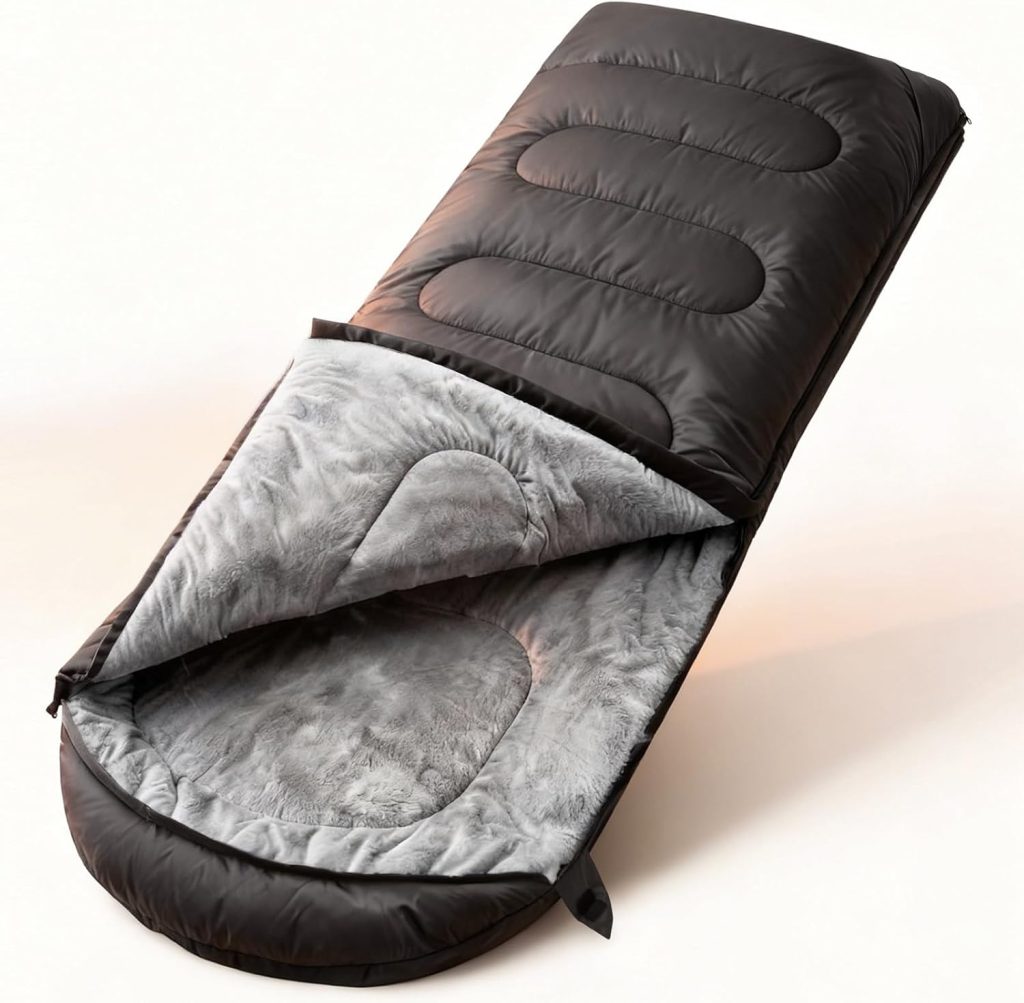
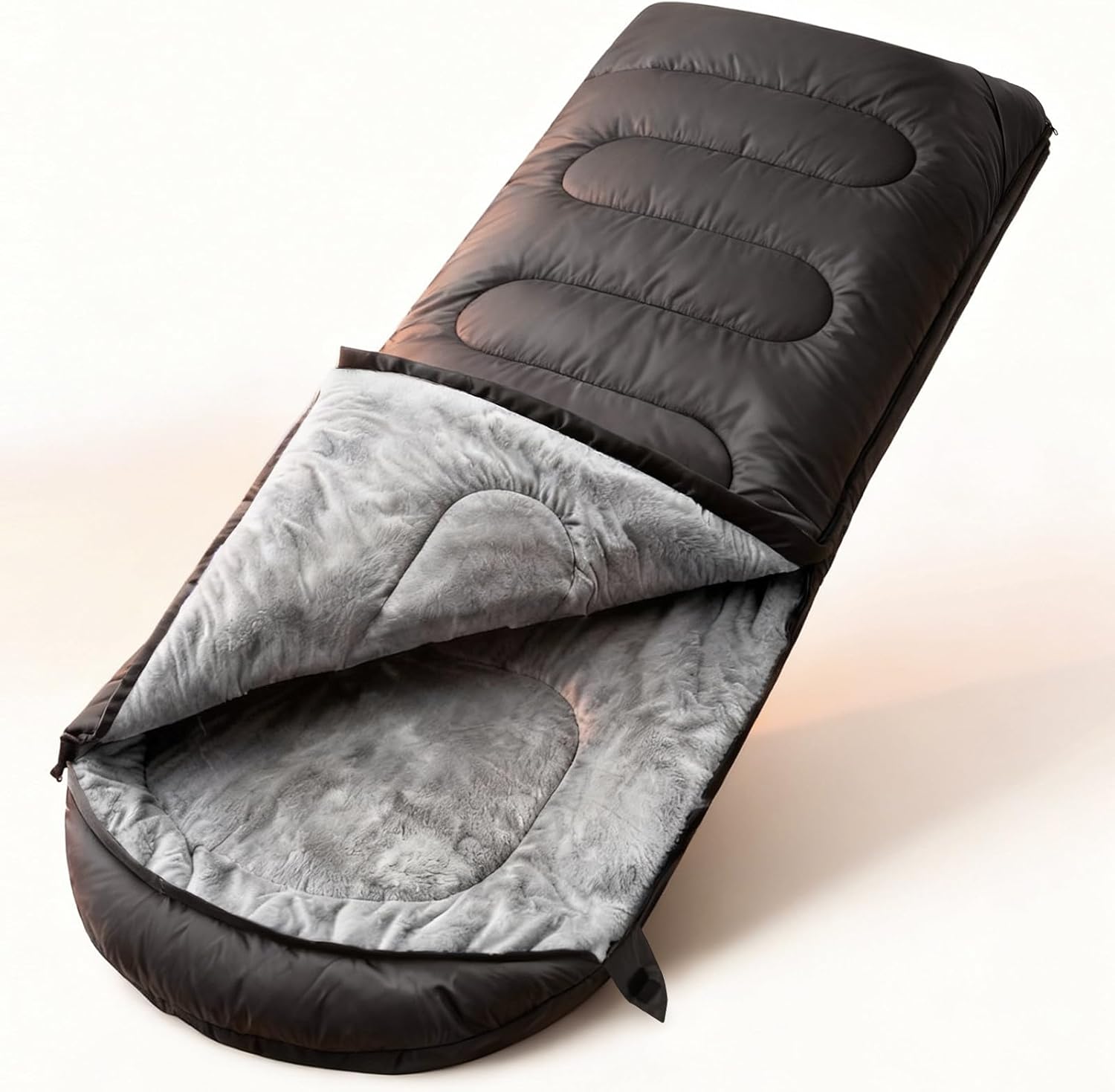
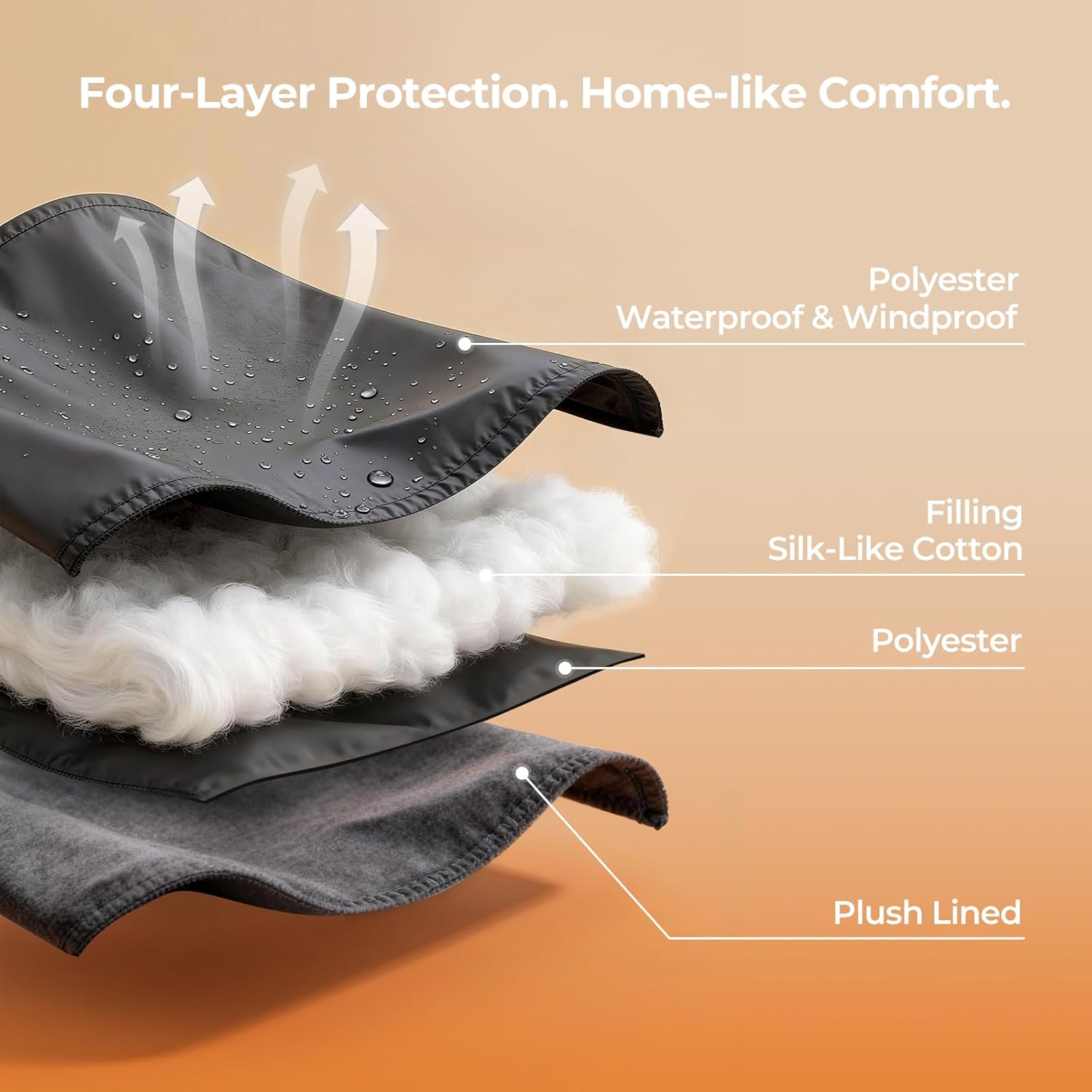
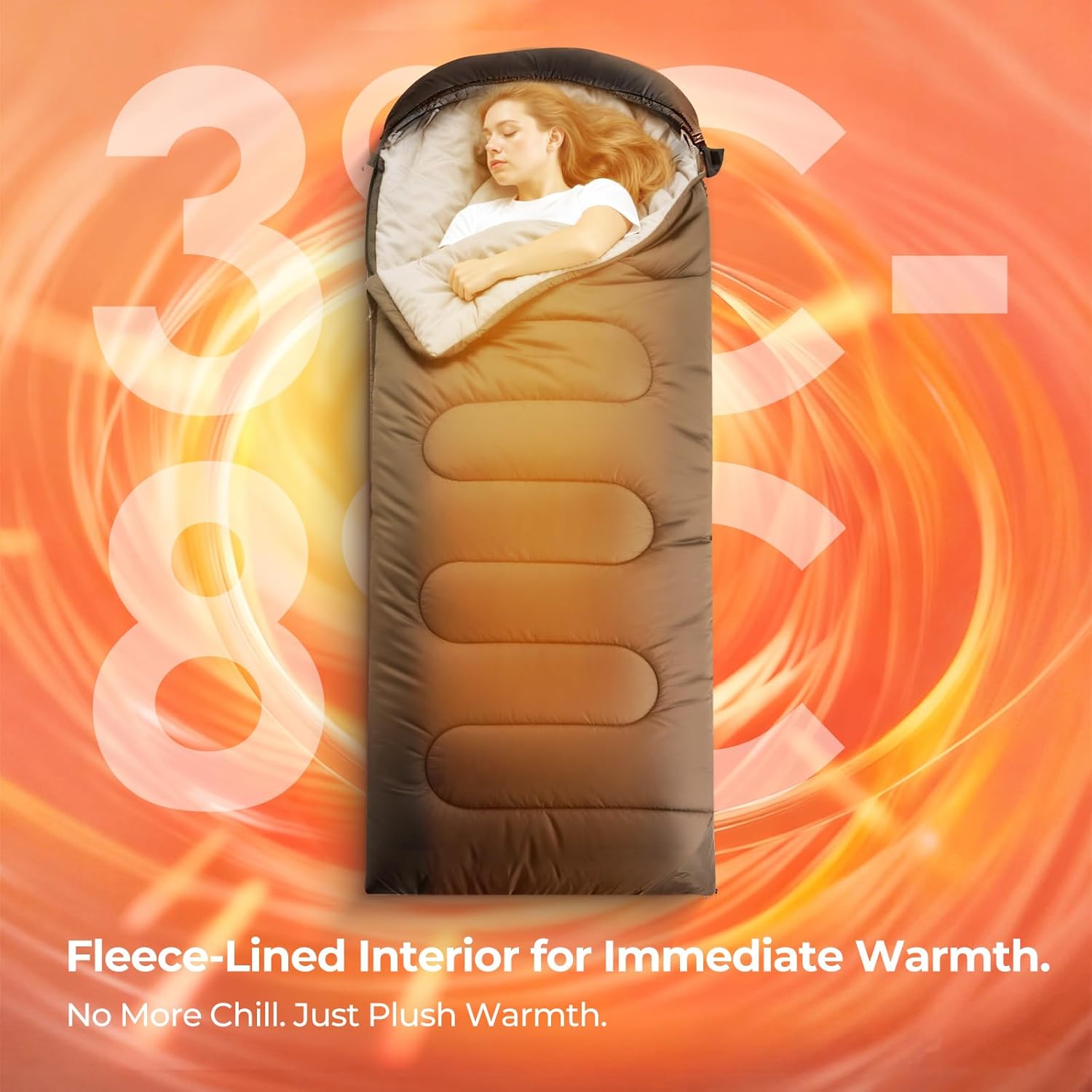
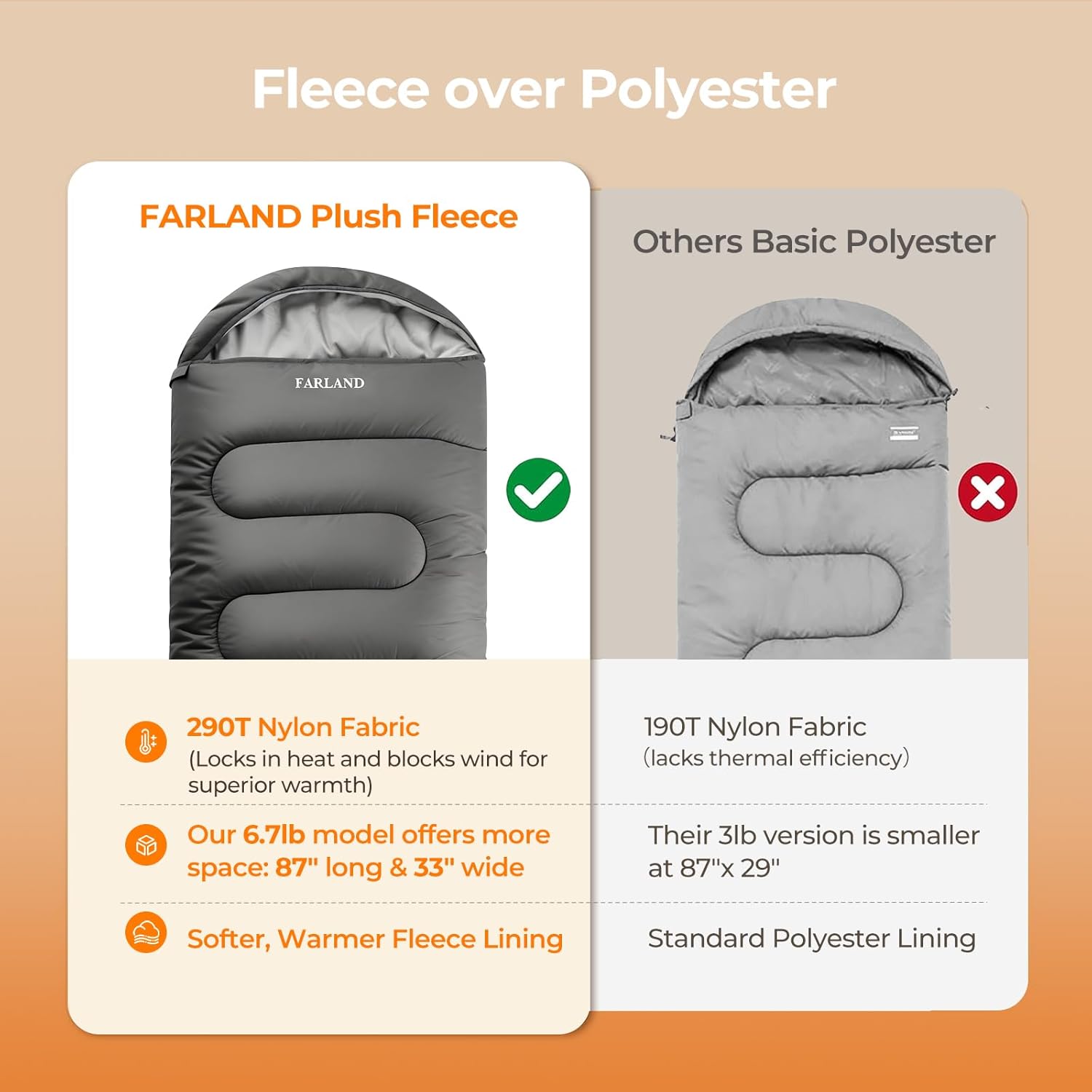
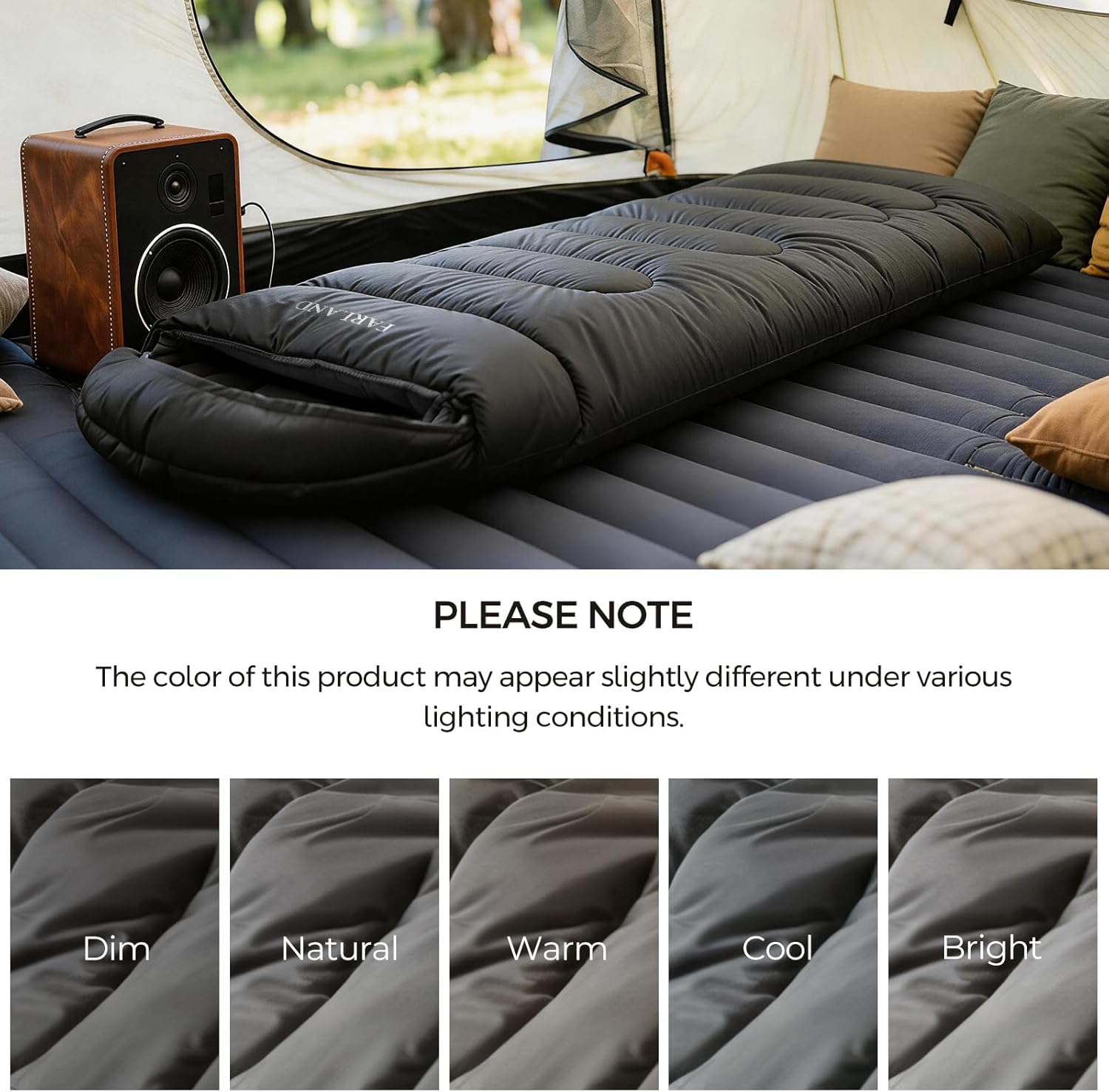
The FARLAND Sleeping Bag immediately presents itself as a robust, budget-friendly option. It features a durable, water-resistant outer shell, typically constructed from 210T Ripstop Polyester, designed to withstand the rigors of outdoor use while offering a degree of protection against condensation and light moisture. The interior lining is often a softer, skin-friendly Pongee fabric, aiming for comfort against bare skin.
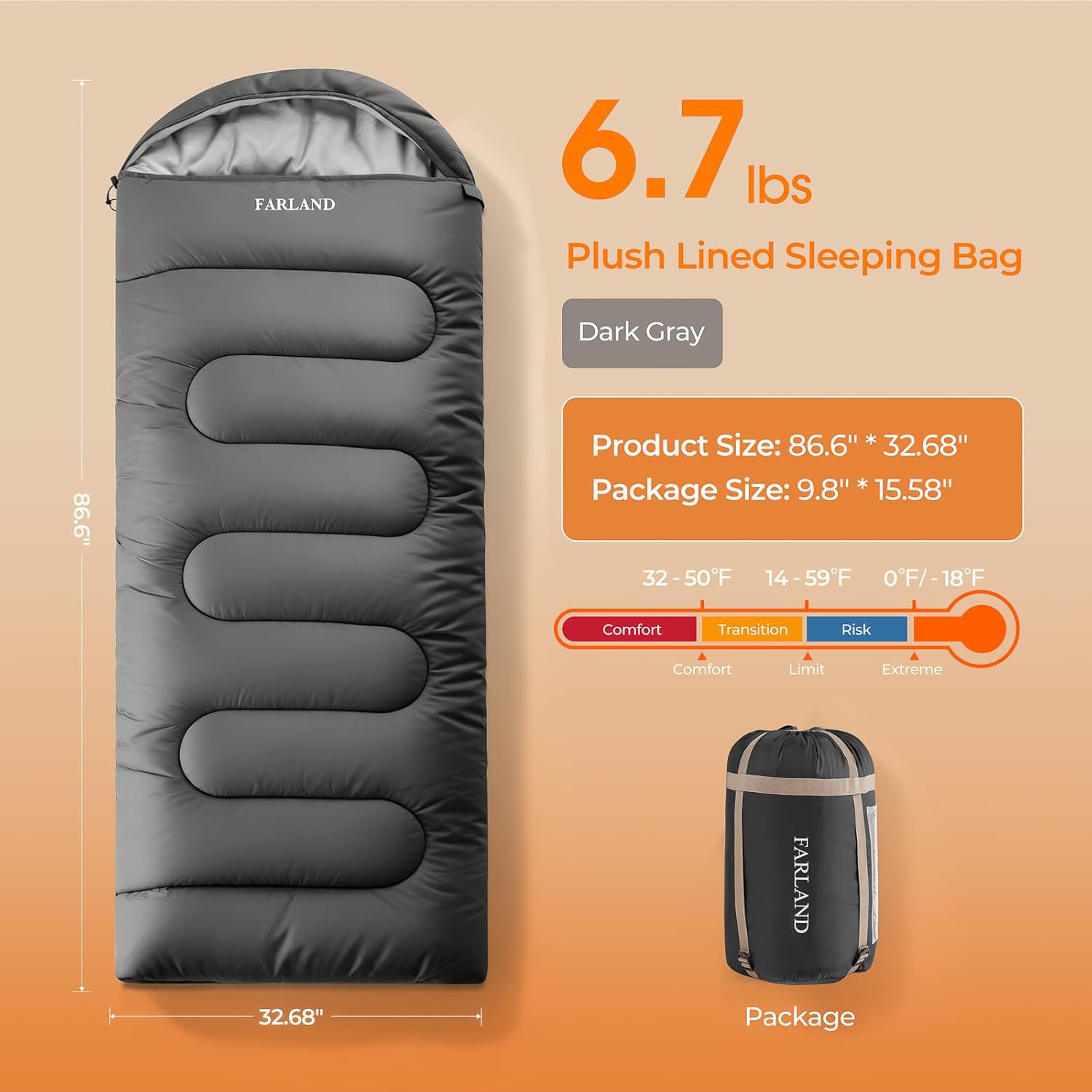
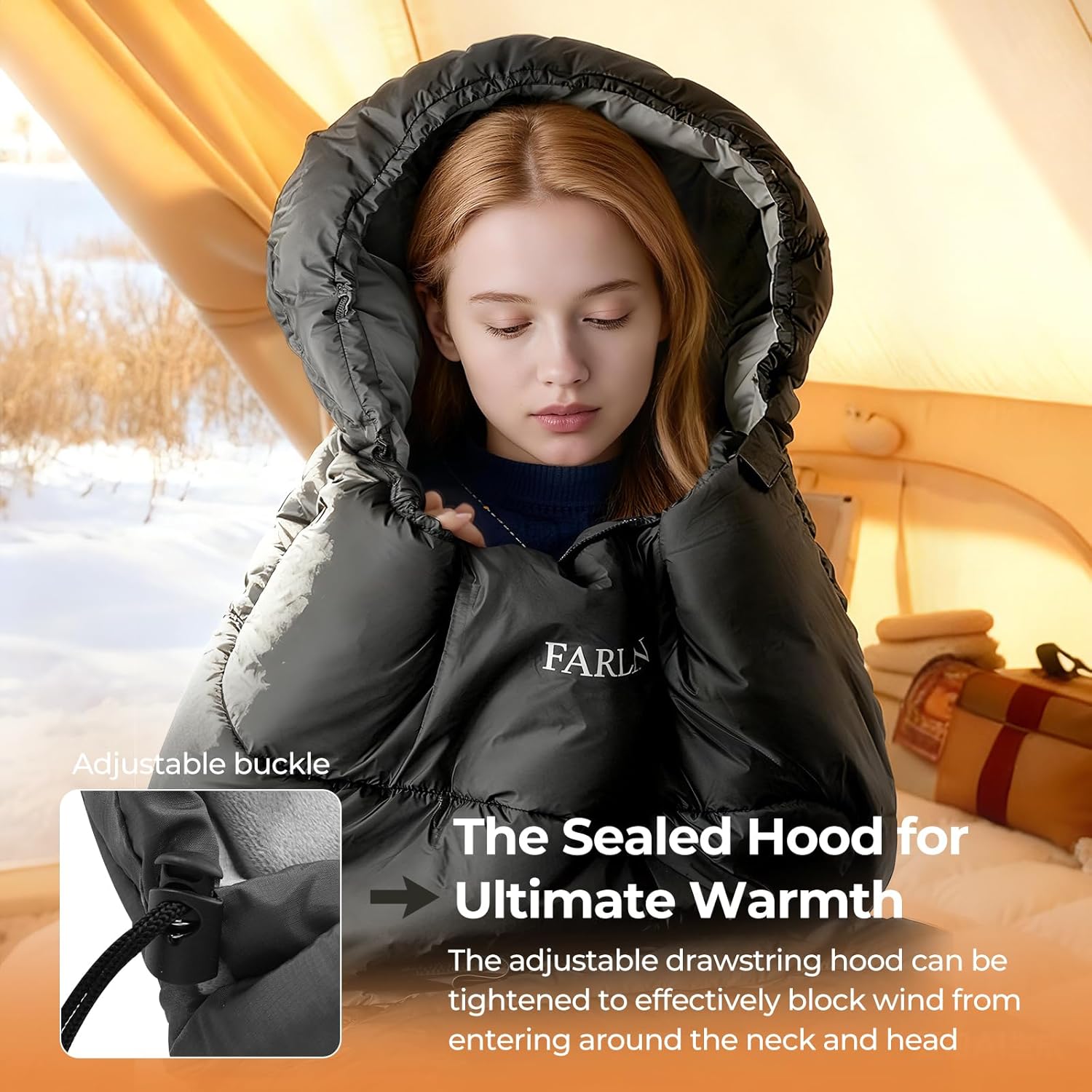
At its heart, the insulation is usually a hollow fiber fill, a common choice for synthetic sleeping bags due to its ability to retain warmth even when damp, unlike down. The specific temperature rating often hovers around 20°F (-7°C) for its "cold weather" designation, with a comfort range extending upwards. Dimensions typically cater generously to adults, ensuring ample space, and the design often incorporates a mummy-style hood with a drawstring to seal in heat, alongside a full-length, often two-way, zipper. The bag’s overall weight and packed size are critical for portability, and FARLAND generally aims for a balance that suits car camping or short backpacking trips rather than ultralight expeditions.
The Wilderness Crucible: A Field Test Analysis
To truly assess the FARLAND sleeping bag, I subjected it to a series of real-world trials across varying conditions, focusing on its ability to deliver on its "cold weather & warm" promise.
1. Cold Weather Performance & Thermal Efficiency:
My primary test involved overnight stays where ambient temperatures dipped into the mid-20s Fahrenheit (-4 to -6°C), simulating typical shoulder-season or mild winter conditions. Dressed in thermal base layers, I found the FARLAND bag provided commendable warmth. The synthetic hollow fiber fill, while not as compressible as down, demonstrated excellent loft, effectively trapping body heat. There were no discernible cold spots, a testament to decent baffling and insulation distribution. The mummy-style hood proved crucial, effectively cinching down to prevent heat loss from the head and neck, complementing the draft collar that minimized cold air intrusion along the zipper line. Condensation inside the tent was common on colder nights, but the polyester shell resisted moisture absorption admirably, maintaining the insulation’s integrity and loft. While the claimed extreme limit might push towards lower single-digit Fahrenheit, I would confidently rate its comfortable performance down to approximately 20°F (-7°C) for a typical sleeper. For sustained comfort below this, additional layering or a liner would be advisable.
2. Comfort, Space, and Ergonomics:
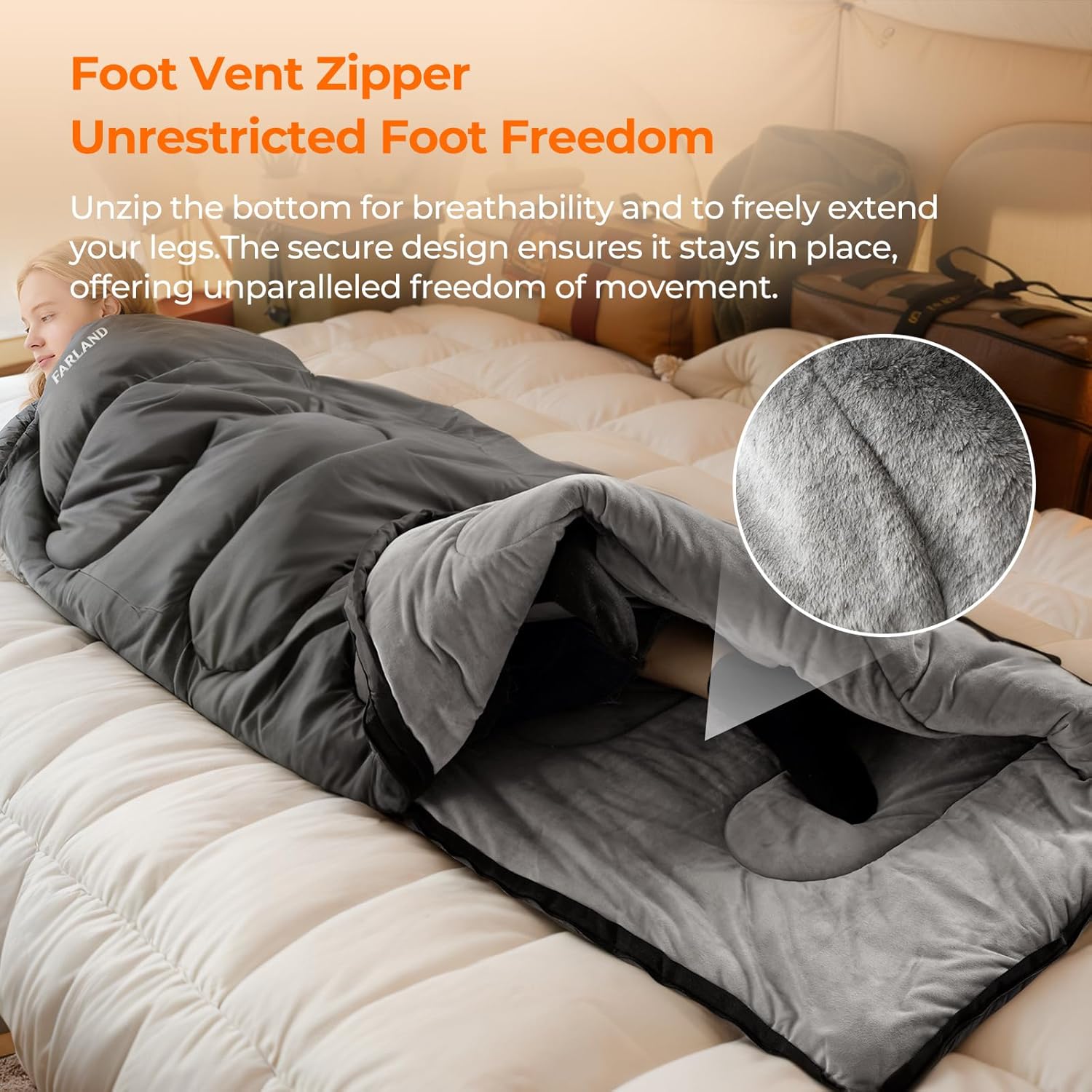
Despite its budget-friendly price point, the FARLAND sleeping bag impressed with its interior comfort. The Pongee lining felt soft and non-abrasive against the skin, avoiding the clammy feel sometimes associated with cheaper synthetic materials. The sizing is generous for average adults, allowing for some movement without feeling overly constricted, which is a significant plus for side sleepers or those who tend to toss and turn. The full-length, two-way zipper operated relatively smoothly, showing an effective anti-snag strip that largely prevented fabric from catching – a common frustration with many sleeping bags. Unzipping it fully allowed the bag to be used as a blanket on warmer nights, demonstrating its "warm weather" versatility, though its bulk makes it less ideal for summer backpacking. The integrated pillow pocket (if present in the specific model) was a thoughtful addition, securing a small pillow or balled-up clothing for head support.
3. Durability and Construction Quality:
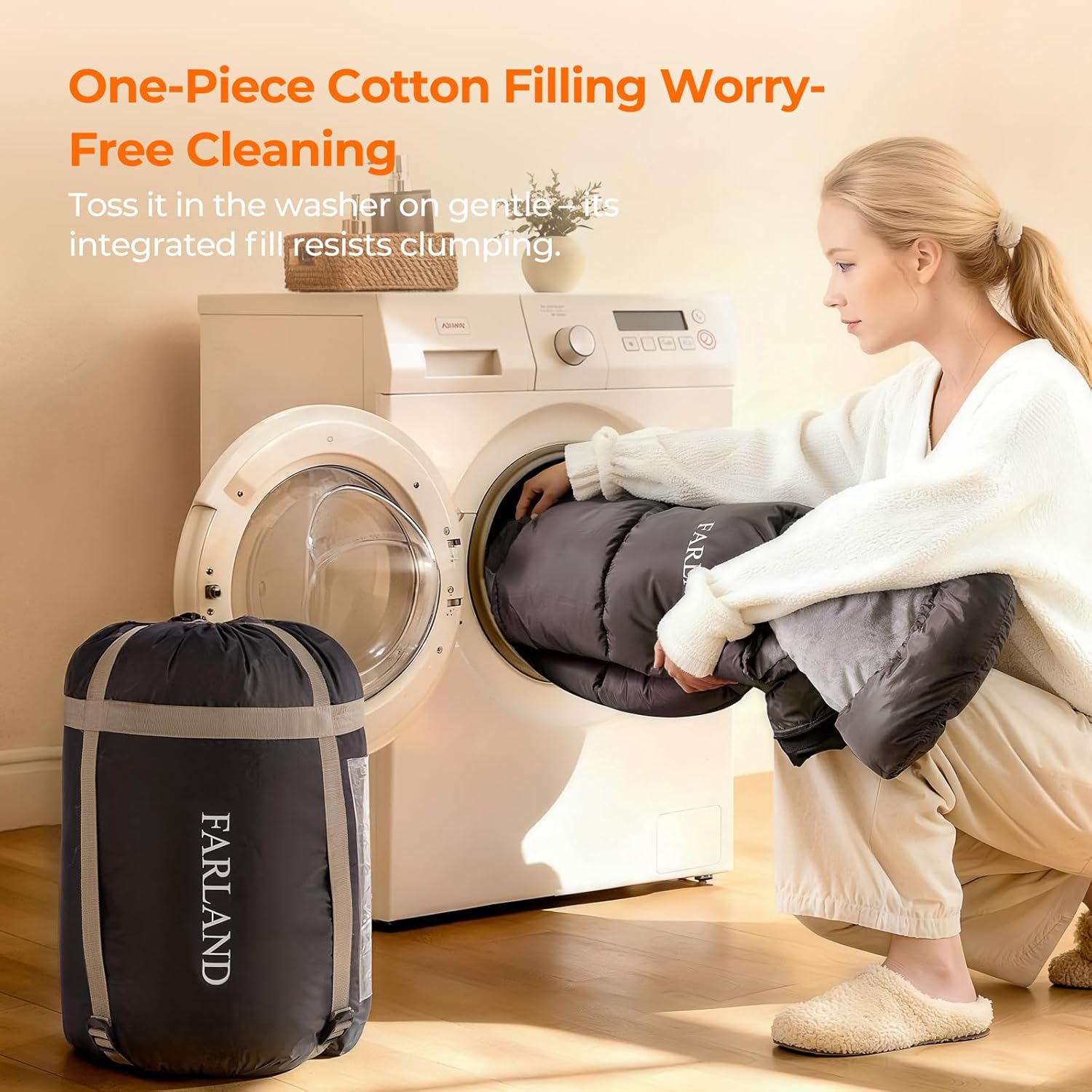
The 210T Ripstop Polyester outer shell exhibited good resistance to minor abrasions and snags encountered during typical campsite use. Stitching across the bag, particularly at stress points like the zipper and hood, appeared robust and consistent, indicating a reasonable level of manufacturing quality control. The stuff sack, while functional, could benefit from stronger compression straps for more aggressive packing. After several uses and a gentle wash, the insulation maintained its loft without significant clumping or shifting, which is a good indicator of long-term performance. While not built for extreme expeditions, its construction suggests it will withstand regular recreational use for many seasons.
Head-to-Head: How it Stacks Up Against the Competition
When comparing the FARLAND sleeping bag to similar products in its category – typically other synthetic mummy or semi-rectangular bags priced between $50-$100 – its value proposition becomes evident. Brands like Coleman, TETON Sports, or even entry-level offerings from more premium brands often present alternatives.
The FARLAND bag typically distinguishes itself through a strong balance of warmth, comfort, and price. Many competitors at a similar price point may sacrifice insulation quality, leading to less accurate temperature ratings, or compromise on interior fabric comfort. While it won’t compete with the weight-to-warmth ratio or ultimate compressibility of high-end down bags from brands like Marmot or Western Mountaineering, it was never designed to. Instead, it offers a more robust, less delicate solution for those who prioritize durability and damp-weather performance over extreme weight savings. Its anti-snag zipper and generous sizing are often superior to budget rivals. Where it might slightly lag is in its packed volume, which can be larger than some direct synthetic competitors boasting more advanced insulation technologies, but often at a higher price point.
The Bright Side: Strengths and Advantages
- Exceptional Warmth for the Price: Provides reliable warmth down to its comfort limit, making it a stellar performer for its cost.
- Comfortable Interior Lining: The Pongee fabric offers a pleasant feel against the skin.
- Generous Space: Accommodates adult users comfortably, allowing for some movement.
- Effective Anti-Snag Zipper: Reduces common frustrations during entry and exit.
- Versatile Temperature Range: Capable in cold weather and adaptable for warmer nights by unzipping.
- Durable & Moisture-Resistant Shell: 210T Ripstop Polyester stands up to outdoor conditions and condensation.
The Drawbacks: Points for Improvement
- Bulk and Weight: Not the most lightweight or compressible option, making it less ideal for extensive backpacking.
- Basic Stuff Sack: While functional, a more robust compression sack could further reduce packed size.
- Limited High-End Features: Lacks advanced features like internal pockets, specific footbox designs, or truly premium materials found in higher-priced models.
The Final Verdict: Is This Your Next Sleeping Bag?
The FARLAND Sleeping Bag for Adults, Cold Weather & Warm, emerges as an outstanding choice for its target demographic: budget-conscious adventurers, car campers, and those embarking on shorter, less extreme backpacking trips. It excels in providing reliable warmth and comfort without breaking the bank. While it won’t replace an ultralight down bag for mountaineering, it offers a compelling blend of performance, durability, and user-friendly features for general outdoor use. For anyone seeking a dependable, value-driven sleeping bag that genuinely delivers on its promise of comfort in a wide range of temperatures, the FARLAND is an easy recommendation. It represents intelligent engineering and material selection at an accessible price point, making quality outdoor sleep attainable for many.
Frequently Asked Questions (FAQ)
- What is the lowest comfortable temperature for this sleeping bag?
Based on field testing, the FARLAND sleeping bag offers comfortable sleep down to approximately 20°F (-7°C) for most adults, assuming appropriate sleepwear. Below this, an additional liner or layers are recommended. - How do I properly clean and store the FARLAND sleeping bag?
It’s best to spot clean minor stains. For a full wash, use a large, front-loading washing machine on a gentle cycle with a mild detergent designed for outdoor gear. Air dry thoroughly or tumble dry on low heat with dryer balls. Store uncompressed in a large mesh bag or draped to maintain insulation loft. - Is this sleeping bag suitable for backpacking, or is it more for car camping?
While it can be used for shorter backpacking trips, its relative bulk and weight make it better suited for car camping or situations where packed volume is less of a concern. For extended backpacking, lighter and more compressible options are generally preferred. - Does the FARLAND sleeping bag come with a compression sack?
Yes, the FARLAND sleeping bag typically includes a standard stuff sack, often with compression straps, to help reduce its packed size for transport. - How does the anti-snag zipper on this sleeping bag perform in real use?
The anti-snag strip on the zipper performs commendably in real-world usage, significantly reducing instances of fabric catching. While no zipper is entirely foolproof, it operates much smoother than many budget alternatives, enhancing user convenience.